GUIDE · 2026-10-05
What Is Bokkeum — Korean Stir-Fry, Not a Grill and Not a Stew
By Bokkeum Curator
Bokkeum means a stir-fried or glaze-reduced dish. Jeyuk, ojingeo, eomuk, and some chicken pots share the name. BBQ and soup use other words on purpose.
TL;DR
Bokkeum is the technique-and-name family: ingredients fried and reduced in a seasoned glaze. Jeyuk is the head recipe on this site. Grilled meat is gui (bulgogi.ai). Stews are jjigae. Fried rice is bokkeumbap (bokki.ai).
Bokkeum is a Korean name for dishes that are stir-fried and reduced until the seasoning clings. The verb is the cook method. The domain is this site. We are not a second Korean BBQ directory. We are not a fried-rice blog. Those jobs already have homes.
Head dish: jeyuk bokkeum, spicy pork. Method: /blog/how-to-make-jeyuk-bokkeum/. If this site can rank one recipe, it should be that one. Everything else is a satellite.
Other bokkeum you will meet. Ojingeo (squid) and nakji (octopus) — short clocks, rubber if you blink. Eomuk (fish cake) — a banchan that holds in the fridge. Dak (chicken) — often closer to a braise than a 90-second stir. Kongnamul (bean sprout) — a side, not a meat plate. We keep a few of those URLs. Most of the short cards are noindex so they stop competing with the pork guide.
Not bokkeum. Gui is grill — bulgogi, samgyeopsal, galbi on https://bulgogi.ai/. Jjigae is stew. Jorim is a soy braise. Bokkeumbap is fried rice on https://bokki.ai/. Tteokbokki is a rice-cake braise on https://tteokbokki.ai/, even though the letters look related. Do not collapse these into one “Korean spicy” page.
Suyuk and bossam sit on this domain because they are the steamed-pork family next to jeyuk, not because they are stir-fries. The map is /blog/bossam-vs-jeyuk-suyuk-steamed-pork-family/.
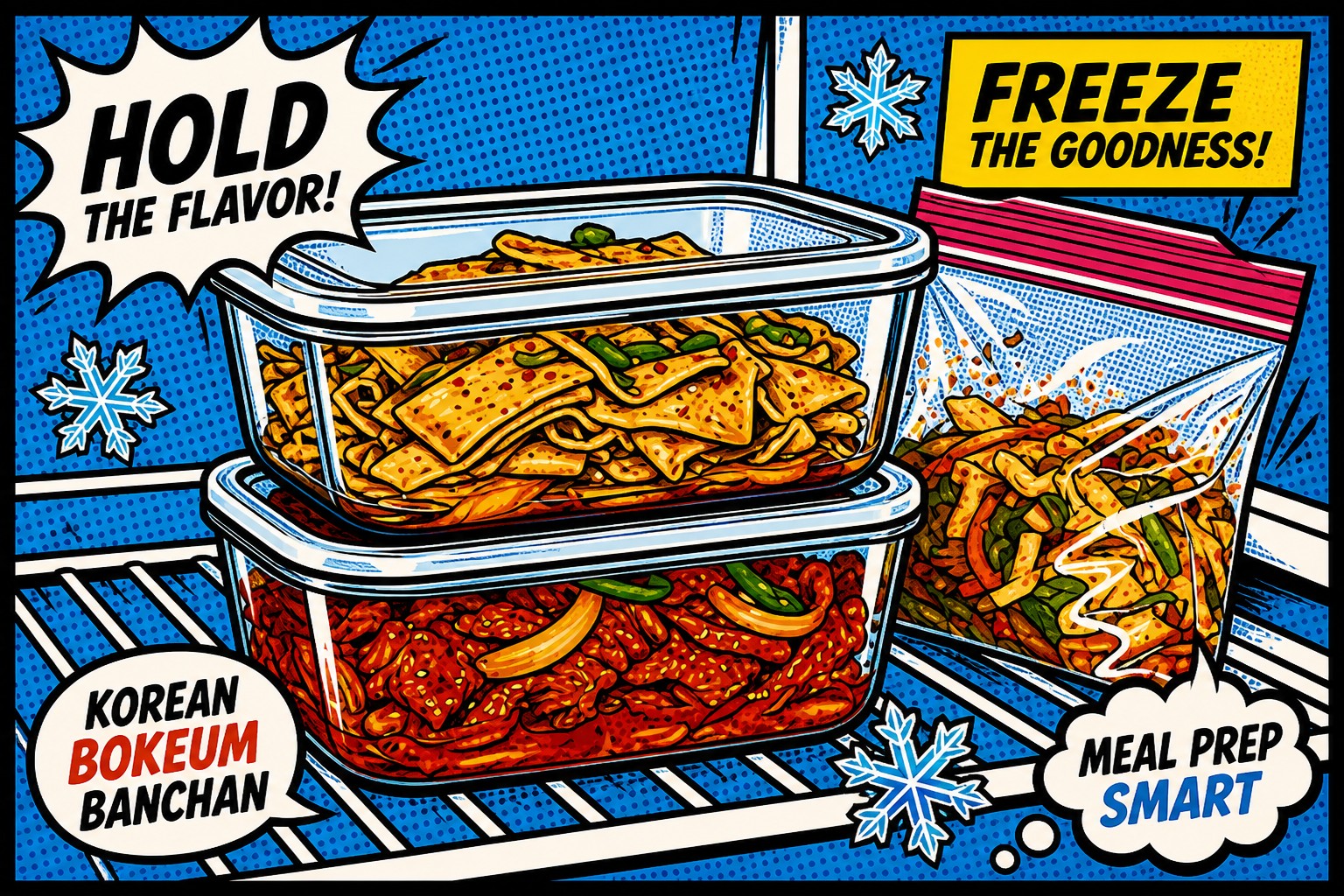
Banchan versus main. Eomuk bokkeum is a side. Jeyuk is a main with rice. Squid can be either, depending on how much you cooked. Packing and freezing notes exist on an older post; treat those as supporting, not the homepage story.
Why Google saw ~50 URLs and indexed one. The clone template shipped ten short recipes and a dozen five-paragraph explainers. Crawlers sampled them and left. The fix is a strong homepage, a few deep guides, and noindex on the rest — not twenty more short cards.
How to use this site as a human. Start at /blog/how-to-make-jeyuk-bokkeum/. Read mistakes if the pan flooded. Read the pork-family guide if you meant boiled slices. Leave for bulgogi.ai if you meant a tabletop grill. Leave for kimchee.ai if you need the kimchi that belongs on the lettuce wrap.
How to use this site as a crawler. Index the homepage, the how-to, the mistakes page, the pork-family guide, and the classic jeyuk recipe card. Follow the rest if you want. Do not treat every thin seafood card as a peer of the pork method.
Language. You will see bokkeum, bokum, and stir-fry used in English menus. Same idea. We use bokkeum in the domain and jeyuk bokkeum in titles because that is how people search the pork.
More Korean food
Relevant pages on the two hub sites — recipes and a BBQ directory on bulgogi.ai, street rice cakes on tteokbokki.ai.
- bulgogi.ai — recipes & BBQ directory →Marinades, cuts, and a USA Korean BBQ map.
- tteokbokki.ai — street rice cakes →School-cart sauce, rose, mala, and tteok types.
- Korean BBQ directory →Grill vs stir-fry is the split — send tabletop nights to bulgogi.ai.